How 3-Person Indie Teams Are Building Hit Games in 2026
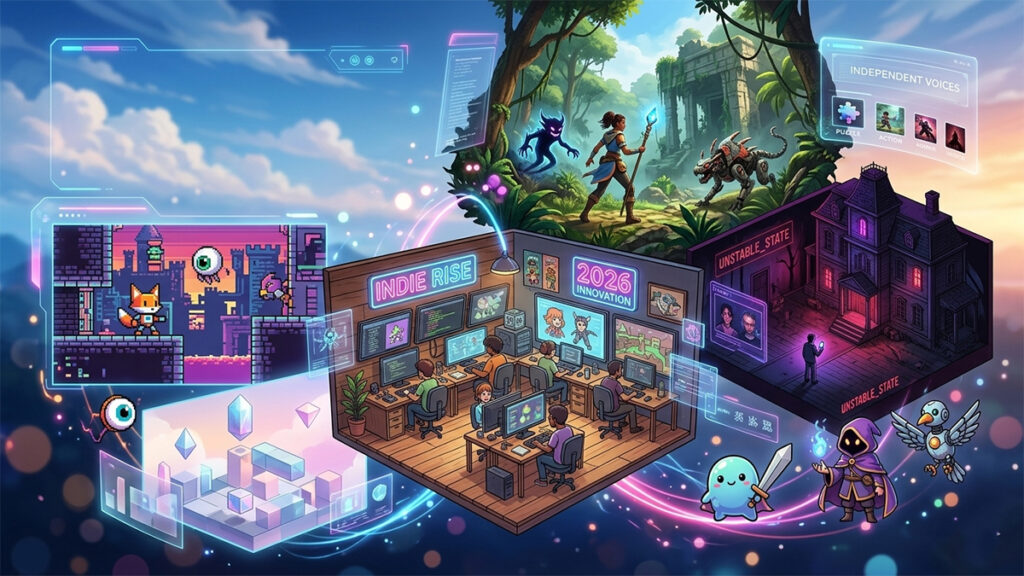
Indie game development has changed dramatically over the past decade. For many years, building a successful video game required massive studios, huge budgets, and long production cycles. The traditional AAA pipeline involved hundreds of developers working across multiple departments, from art and animation to programming and testing.
But by 2026, the landscape of indie game development looks very different.
Advances in AI-assisted development, procedural generation, and powerful game engines have lowered the barrier to entry for developers worldwide. Today, a small team of just a few creators can produce games with production values comparable to mid-tier AAA titles from only a few years ago.
This shift has created a new kind of developer: the small, highly efficient indie team.
Instead of massive studios, small teams now combine creativity with modern tools that act as powerful force multipliers. With the right technology stack and a strong idea, tiny studios can build games that reach millions of players.
Key Takeaways
- Small indie teams can now build high-quality games using AI-assisted tools and procedural generation.
- Modern engines like Unreal Engine allow developers to create massive worlds faster than ever.
- AI coding assistants such as GitHub Copilot reduce development time by automating repetitive programming tasks.
- Viral indie hits like Lethal Company show how small studios can reach global audiences.
- The biggest challenge for developers today isn’t building games, it’s getting players to discover them.
Why Small Indie Teams Are Winning in 2026
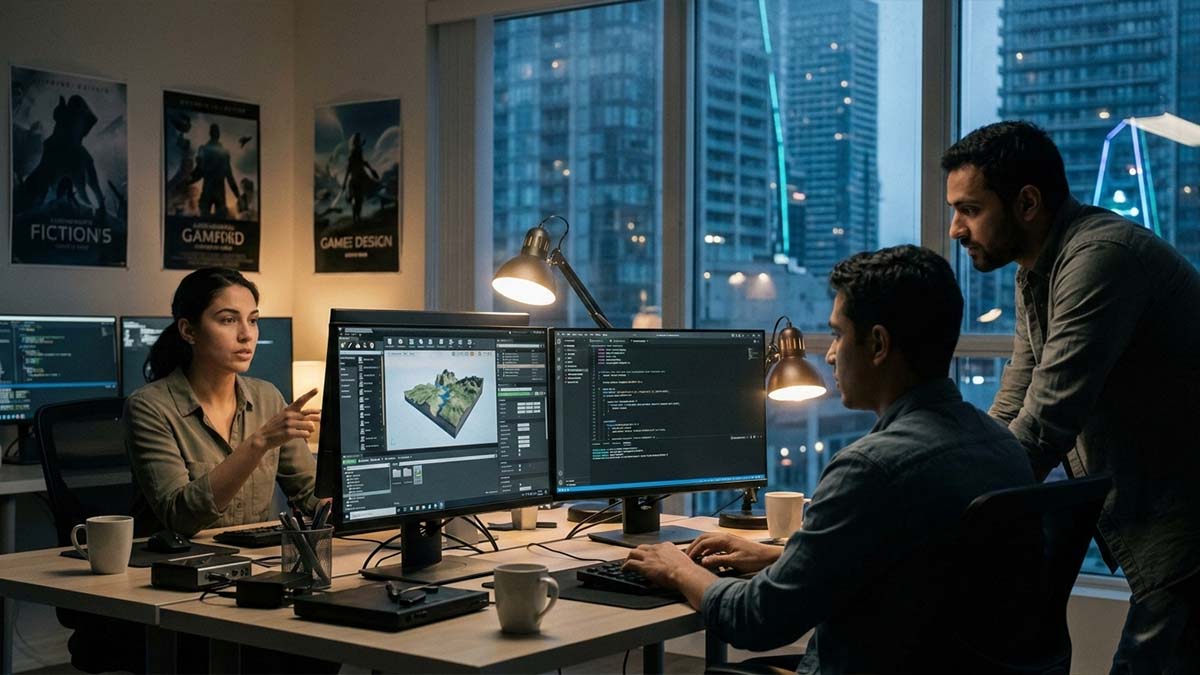
Small Indie Game development teams (often fewer than five people), are now capable of building complex games using AI-assisted workflows and procedural tools.
Industry estimates suggest certain production tasks such as asset creation, testing, and environment generation can be completed 30–70% faster when AI tools are integrated into the development pipeline.
This has created a major agility gap between indie studios and large AAA developers.
Where massive studios may take months to adjust a design direction, small teams can pivot their entire project within days. The result is a faster, more experimental era of game development.
AI Tools Used by Small Indie Game Teams in 2026
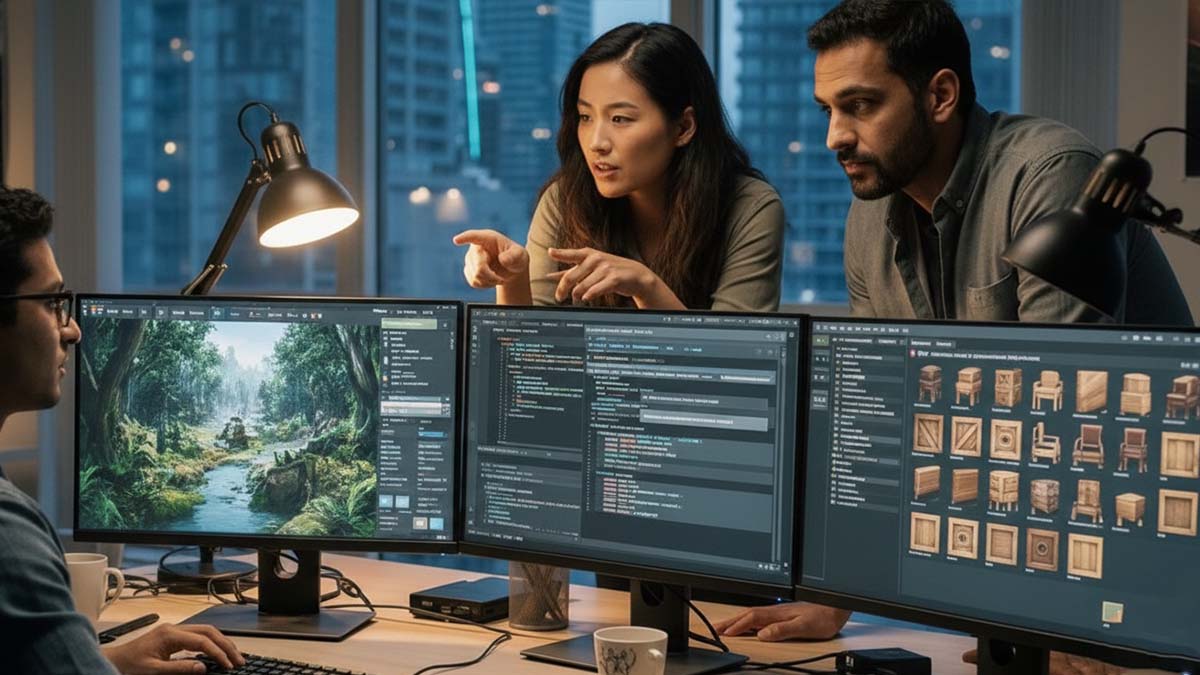
Modern indie teams rely on a toolkit that acts like a digital fourth teammate.
These tools accelerate production while allowing developers to focus on gameplay and creative direction.
AI-Native Game Engines
Game engines such as Unreal Engine and Godot have become dramatically more powerful in recent years.
Procedural generation systems allow developers to build large environments using rule-based systems instead of manual asset placement.
For example, an environment designer can define rules like:
- trees spawn within a certain radius of water
- rocks appear along steep slopes
- moss grows on shaded surfaces
The engine can then generate an entire environment automatically.
Worlds that once required large teams of environment artists can now be created by a single developer adjusting procedural parameters.
AI Coding Assistants and “Vibe Coding”
Programming workflows have also evolved significantly.
AI coding assistants such as GitHub Copilot allow developers to generate code frameworks using natural language prompts.
Instead of writing every system from scratch, a programmer might ask the AI to:
“Generate a physics-based character movement system with controller support.”
The AI creates the base framework, suggests improvements, and helps test the system.
Developers still review and refine the code, but much of the repetitive work is automated.
Within developer communities, this workflow has earned the nickname “vibe coding”, where programmers focus more on design intent than manual syntax.
Generative Asset Pipelines
One of the biggest time-consuming tasks in traditional game development has always been asset creation.
Every prop, object, and decorative element had to be created manually.
AI-assisted asset tools now allow developers to generate style-consistent assets quickly by training models on a specific art direction.
Instead of manually modeling hundreds of variations of objects like chairs or crates, developers can generate variations automatically while maintaining visual consistency.
This dramatically reduces production time while keeping worlds visually detailed.
AAA Studios vs. Indie Squads
AAA studios face “Institutional Inertia” and high “Sunk Cost Fallacy,” while indie squads utilize “Low-Overhead Agility” to iterate on niche mechanics.
AAA Studios are like a Max-Level Raid Boss. They have millions of HP, the flashiest armor, and the biggest sword. But their moves are slow and telegraphed. They have to follow a specific “rotation” (sequels/market research) because if they miss a single swing, they lose millions of dollars. They are powerful, but they are predictable.
- Indie Squads are like an Assassin. They have almost no HP—one bad hit can end the studio. But they have infinite stamina and frame-perfect dodging. They don’t need a 5-year plan to attack; they see a gap in the Boss’s armor (a new genre trend) and they dash in. They can try 10 different combos while the Boss is still winding up its first heavy attack.
The 2026 Reality: In a market that moves as fast as a PvP match, being able to “dodge and weave” is often more effective than having the biggest health bar.
The Rise of Triple-I Indie Game Studios
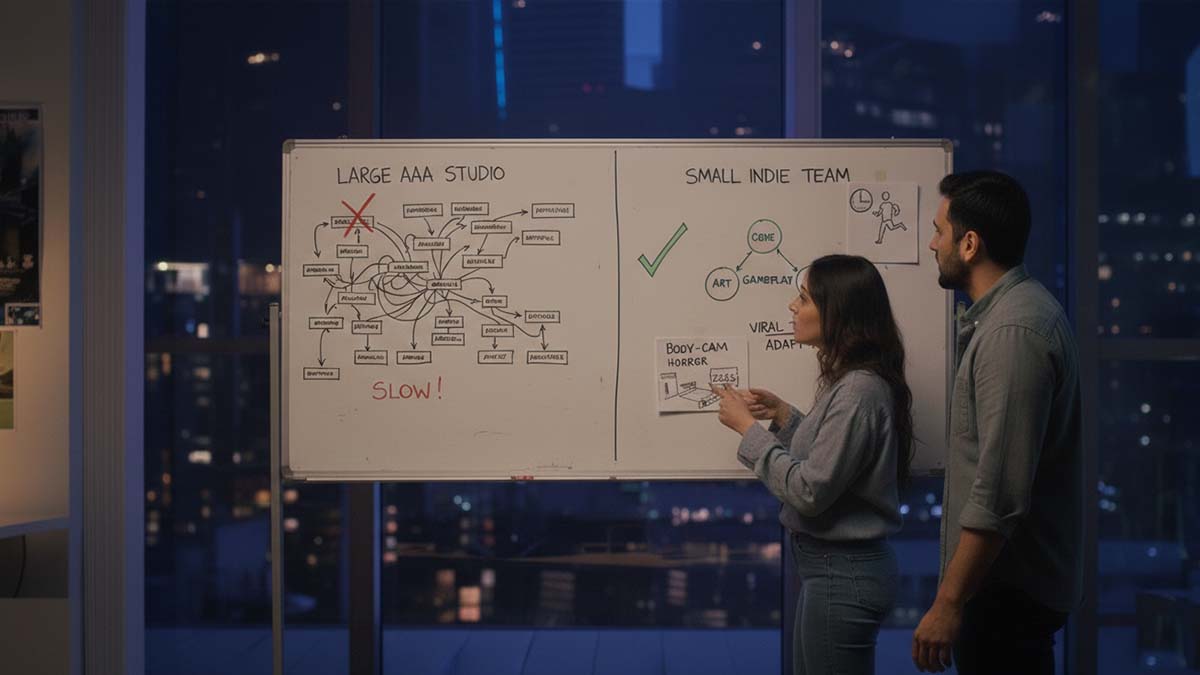
A new term has emerged in the industry to describe this shift: Triple-I, short for Independent AAA.
Triple-I studios are small teams producing games with a level of polish traditionally associated with much larger companies.
These studios often:
- consist of 2–10 developers
- rely heavily on modern engines like Unreal Engine
- use procedural generation and AI tools to accelerate production
Rather than replacing creativity, these tools allow developers to focus on gameplay design and player experience instead of repetitive production work.
Why Small Indie Game Teams Move Faster Than AAA Studios
Technology is only part of the equation. The real advantage small studios have today is speed.
Large AAA studios function like massive organizations with complex production pipelines. Any significant change requires coordination across multiple departments and layers of management.
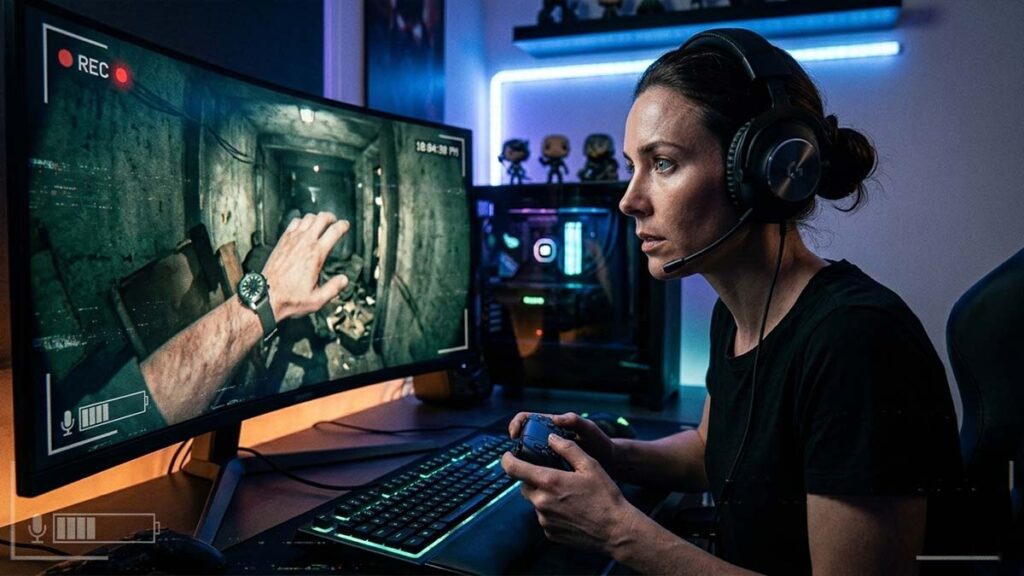
Small indie teams operate more like specialized squads. They travel light and can pivot quickly. If a new gameplay trend appears such as the viral body-camera horror mechanics that gained popularity in 2025 small developers can prototype ideas within days.
Many of the most creative ideas seen in underrated multiplayer games come from small indie teams experimenting with new mechanics.
Large studios often take months to adapt to similar trends. In a market driven by social media, streaming, and viral gameplay clips, speed often beats scale.
The Indie Market Explosion

The rise of small development teams is reflected in the growing indie market.
Thousands of games launch every year on Steam, with independent developers representing the majority of releases.
Several recent breakout hits demonstrate how small teams can achieve global success:
- Lethal Company
- Content Warning
- R.E.P.O.
These games gained popularity largely through streaming platforms and community-driven promotion rather than traditional advertising.
For many players, indie titles now represent some of the most innovative experiences in gaming.
AAA Studios vs Indie Game Developers: A Quick Comparison
| Feature | The AAA “Giant” | The Indie “Squad” |
|---|---|---|
| Team Size | 500+ (Specialized) | 1–5 (Multi-talented) |
| Production Speed | 4–6 Years (Slow/Safe) | 1–2 Years (Fast/Agile) |
| Tech Focus | Custom Engines & Mocap | Vibe Coding & AI-Native |
| Risk Level | Low (Needs mass appeal) | High (Chases viral niches) |
| Decision Speed | Months (Board Meetings) | Minutes (Discord/Slack) |
Case Study: The “R.E.P.O.” Effect
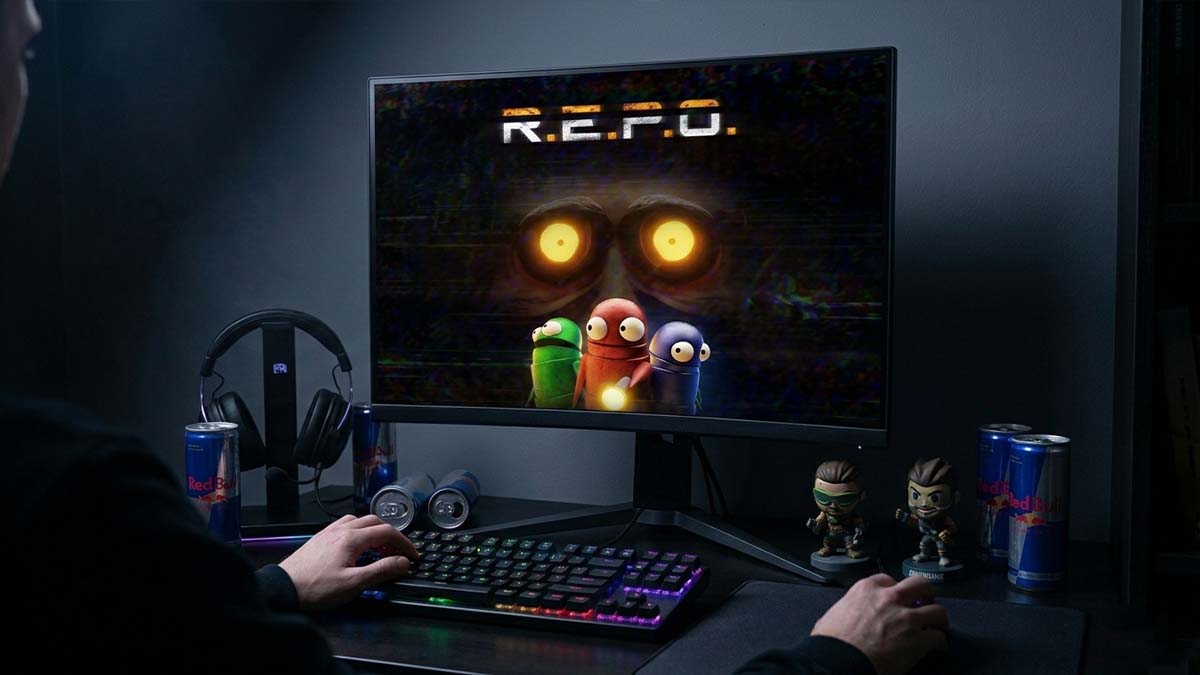
One of the most widely discussed examples of this trend is R.E.P.O..
Developed by a small team, the cooperative horror game quickly gained attention for its chaotic gameplay and streamer-friendly design.
Several factors contributed to its success.
Procedural Environments
The developers relied heavily on procedural systems to generate environments, allowing them to create large spaces while only manually designing key gameplay areas.
Community-Driven Development
Early access testing and Discord feedback allowed players to report bugs and suggest improvements directly to the developers.
This enabled rapid iteration after launch.
Viral Gameplay
The game’s unpredictable multiplayer mechanics made it perfect for content creators, helping it spread quickly across streaming platforms.
The combination of procedural tools, community involvement, and viral gameplay loops allowed a small team to build a massively popular title.
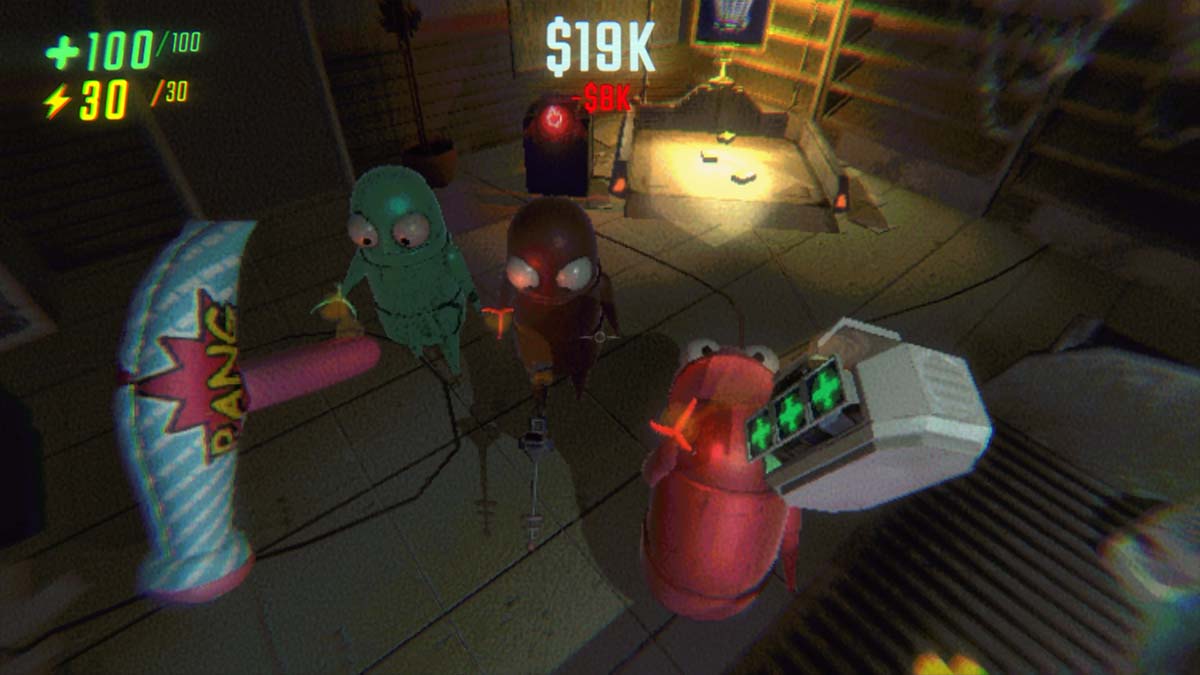
R.E.P.O.
The Human Element: AI Still Needs Designers
Despite the rise of AI-assisted development, human creativity remains at the center of successful games.
AI excels at repetitive tasks such as:
- asset cleanup
- automated testing
- code scaffolding
- procedural generation
However, AI struggles with something far more important: designing fun experiences.
Game design requires an understanding of player psychology, pacing, reward systems, and emotional impact.
AI can help implement systems, but it cannot fully replace the creative vision behind a game.
Many developers describe the relationship simply:
AI handles the grunt work.
Humans create the soul of the game.
The New Challenge: Discovery
While development has become easier, visibility has become much harder.
Thousands of titles launch every year on Steam, making it difficult for new games to stand out.
Even well-designed games can struggle without:
- strong community engagement
- content creator exposure
- viral gameplay moments
- consistent updates and feedback loops
For many developers today, marketing and discovery are just as important as development itself.
Indie Game Development: FAQ ❓
Yes. Many successful indie titles have been developed by teams of fewer than five people. Games like Lethal Company demonstrate how innovative gameplay and strong community engagement can outperform large marketing budgets.
Many developers rely on engines such as Unreal Engine and Godot combined with AI coding assistants like GitHub Copilot.
These tools help automate repetitive development tasks and accelerate production.
No. AI tools are primarily used to automate technical tasks such as testing, asset generation, and code scaffolding. Human developers remain essential for gameplay design, creative direction, and storytelling.
GameMonkey Verdict
The meaning of “indie” is evolving.
It’s no longer defined purely by budget, it’s defined by agility.
Small teams equipped with modern development tools can build ambitious games faster than ever before, experimenting with ideas that large studios often cannot pursue.
Some of the most exciting innovations in gaming today are coming from teams of just a few developers.
If you want to see where the industry is heading next, keep an eye on the small squads building the next breakout hit.
✅ The Win: High-quality experimental games are being released faster than ever.
❌ The Catch: With thousands of new releases each year, discovery has become the hardest boss in gaming.