The Complete Guide to Realistic War Games (FPS, Strategy, and Military Simulations)
Realistic war games and military simulation games have become one of the most respected genres in modern gaming. Unlike arcade-style shooters that prioritize fast action, realistic war games aim to simulate the complexity of real warfare. This includes authentic weapons, coordinated teamwork, tactical decision-making, and historically accurate environments.
For many players, these games offer something deeper than entertainment. They provide a chance to experience the strategic thinking, communication, and planning required in real military operations.
This guide explains what makes a war game realistic, explores the major subgenres, and highlights some of the most influential titles across first-person shooters, strategy games, and military simulations.
Some of the most popular realistic war games include Squad, Arma 3, Hell Let Loose, Escape from Tarkov, and Digital Combat Simulator.
What Makes a War Game “Realistic”
Not every game set in a war environment qualifies as realistic. Many popular titles focus on cinematic action and accessibility rather than simulation. Realistic war games typically emphasize several key elements:
- Slower Pace: Compared to arcade shooters, realistic games often have longer match times and require patience, positioning, and teamwork.
- Authentic Weapons and Ballistics: Weapons behave similarly to their real-world counterparts. Factors such as bullet drop, recoil, reload time, and weapon handling play a major role in gameplay.
- Tactical Gameplay: Players must coordinate with teammates, manage resources, and plan movements carefully. Running directly into combat without strategy usually results in failure.
- Limited Information: Realistic games often restrict player information. Maps, enemy locations, and communication systems may require active coordination rather than automatic indicators on a heads-up display (HUD).
- Historical or Military Accuracy: Many realistic war games are set during real historical conflicts or are meticulously inspired by real military doctrine.
Major Types of Realistic War Games to Play in 2026
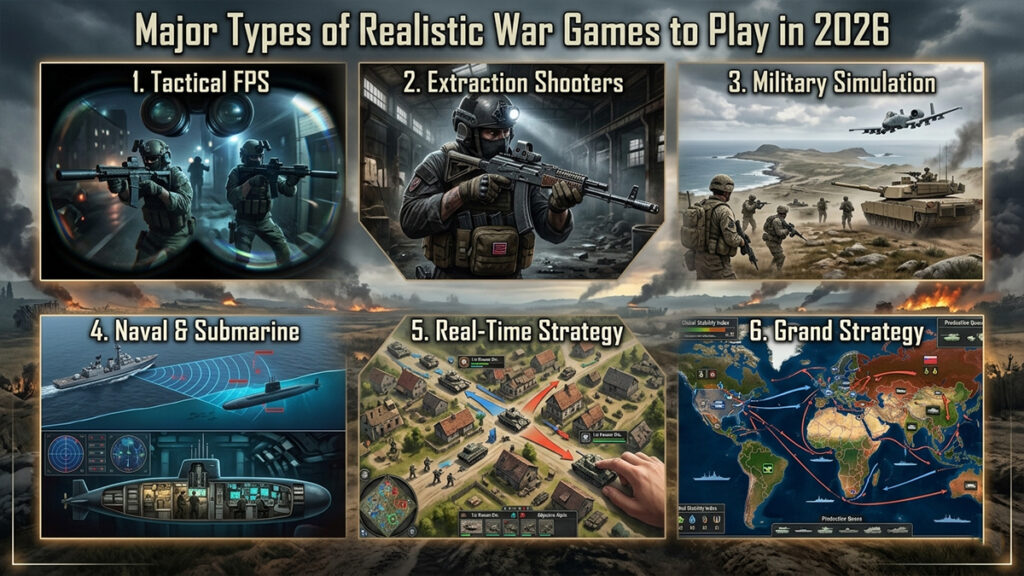
Realistic war games exist across several genres. Each focuses on a different aspect of warfare, from frontline combat to large-scale strategic command.
1. Tactical FPS War Games
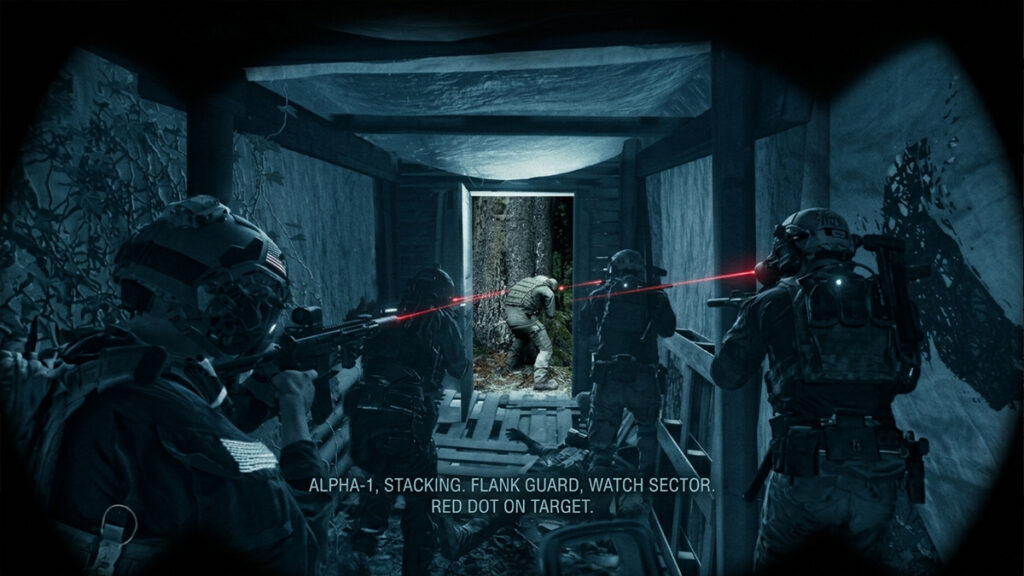
Tactical first-person shooters place players directly on the battlefield. These games emphasize teamwork, communication, and coordinated movement rather than fast solo action.
One of the most well-known examples is Squad. In this game, teams of up to 50 players rely on squad leaders, logistics systems, and voice communication to capture objectives and manage resources.
Another popular tactical shooter is Hell Let Loose. Set during World War II, the game features large-scale battles with tanks, infantry, artillery, and a command hierarchy that mirrors real military structures.
Police and tactical response gameplay is explored in Ready or Not. Instead of large-scale warfare, players conduct realistic SWAT operations where planning and discipline are critical.
A major modern evolution in this space is the rise of the ultra-realistic “bodycam” perspective. Titles like Unrecord and Bodycam push visual fidelity and free-aim mechanics to new heights, creating a raw, highly immersive, and disorienting tactical experience that mimics real-life operator footage.
2. Extraction Shooters Games
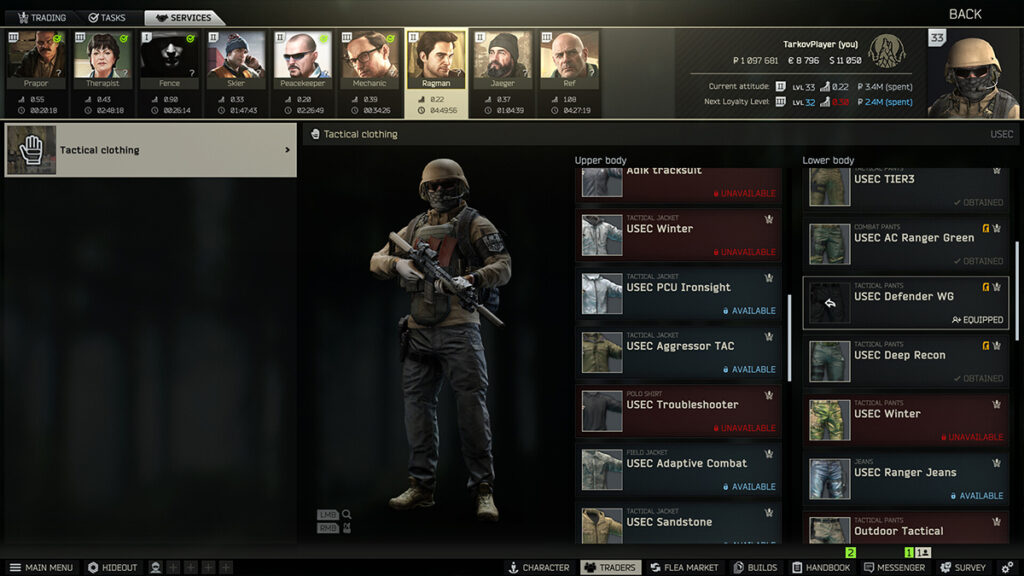
While not traditional battlefield games, hardcore extraction shooters have become a massive pillar of realistic combat. Games like Escape from Tarkov emphasize brutal ballistics, deep weapon modding, and high-stakes survival, where players must navigate hostile environments, scavenge for gear, and extract before being eliminated.
3. Military Simulation War Games
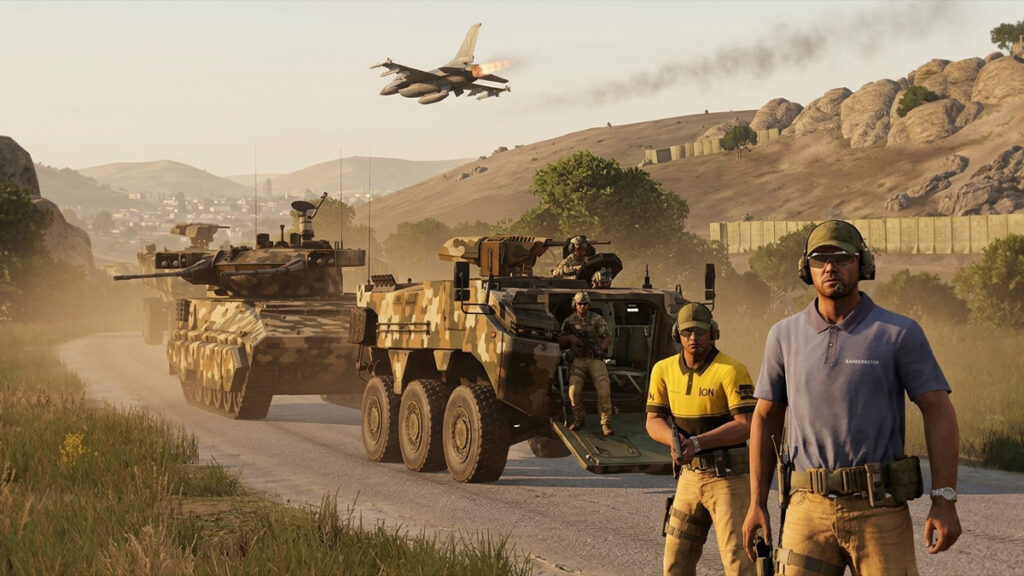
Military simulators focus on authenticity and realism above all else. These games attempt to replicate real-world combat scenarios as closely as possible.
A defining title in this genre is Arma 3. Known for its massive open environments and realistic mechanics, the game allows players to control infantry, armored vehicles, aircraft, and naval units within a single battlefield.
Air combat is explored in extreme detail in Digital Combat Simulator. Often abbreviated as DCS, this platform simulates real military aircraft with highly detailed cockpit controls and realistic flight physics.
4. Naval and Submarine Simulations
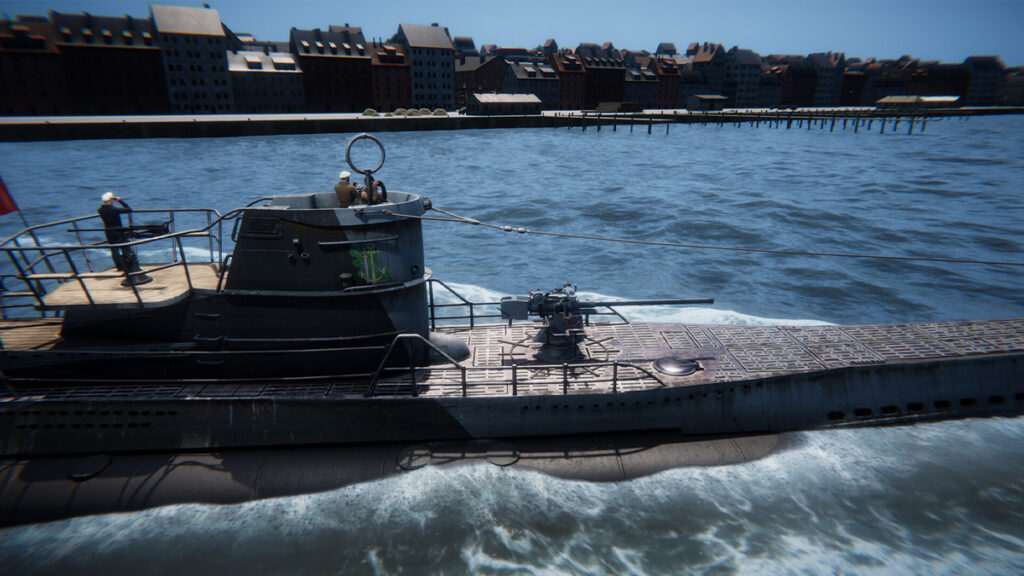
Warfare isn’t limited to the ground and the air. Naval simulations offer incredibly tense, strategic gameplay where patience is just as important as firepower. Titles like UBOAT, Silent Hunter, and Cold Waters put players in command of submarines, requiring them to manage crew morale, calculate torpedo trajectories, and silently evade enemy destroyers.
5. Real-Time Strategy War Games
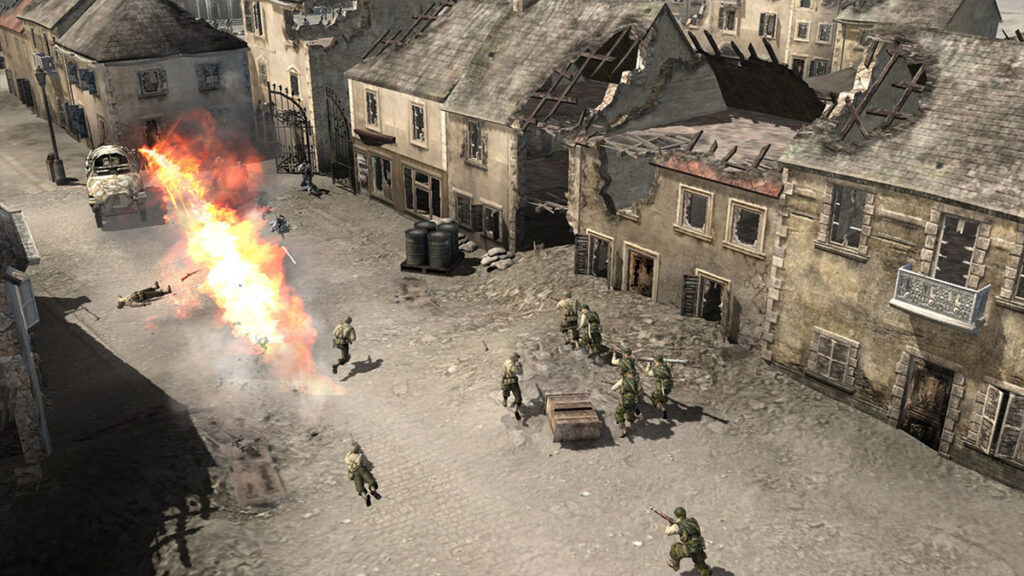
Real-time strategy (RTS) games shift the player’s role from soldier to battlefield commander. Instead of controlling a single character, players manage entire armies and plan tactical maneuvers across large maps.
One influential example is the Company of Heroes franchise. While Company of Heroes 3 brings modern mechanics to the Mediterranean theater, Company of Heroes 2 remains a legendary staple for its brutal depiction of the Eastern Front, focusing on positioning, cover mechanics, and combined arms tactics.
Another historically focused RTS is Steel Division 2, which recreates large-scale battles from Operation Bagration in 1944 with detailed unit statistics and historical divisions.
6. Grand Strategy War Games
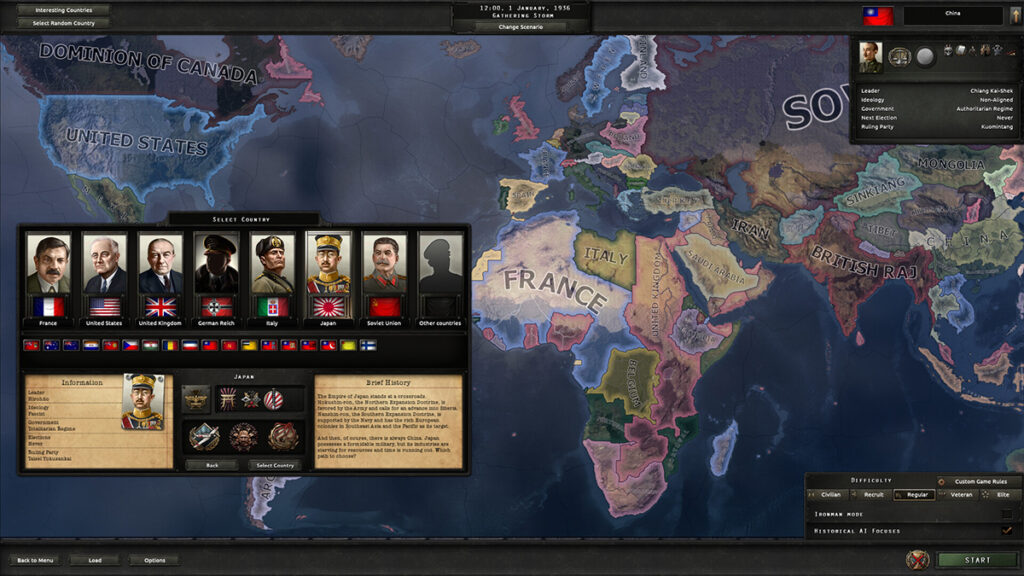
Grand strategy games simulate warfare at the level of nations rather than individual battles. Players manage entire countries, balancing military production, diplomacy, and economic planning.
A major title in this category is Hearts of Iron IV. Players control a nation during World War II and must manage industrial production, research technology, and command armies across multiple fronts.
The Difference Between Arcade and Realistic War Games
To better understand which style of gameplay suits you, it’s helpful to look at how these two philosophies differ across core mechanics.
| Feature | Arcade Shooters (e.g., CoD, Battlefield) | Realistic War Games (e.g., Arma, Squad) |
|---|---|---|
| Pacing | Fast-paced, constant action | Slower, methodical, and tactical |
| TTK (Time to Kill) | Higher (takes multiple hits to die) | Low (often one or two shots are fatal) |
| Movement | Agile (sliding, jumping, sprinting) | Realistic weight and stamina limitations |
| Teamwork | Optional; solo play is viable | Essential; communication is required |
| Ballistics | Simplified; hit-scan or fast projectiles | Complex; bullet drop, wind, and penetration |
| Information | Full HUD, mini-maps, and icons | Minimal HUD; relies on maps and compasses |
Why Realistic War Games Are Growing in Popularity
Several factors have contributed to the rising popularity of realistic war games:
- Improved Hardware: Modern computers and consoles allow developers to simulate larger battlefields, advanced physics, and complex AI systems.
- Community and Team Play: Many realistic games emphasize voice communication and coordinated teamwork, creating strong communities of dedicated players.
- Streaming and Online Communities: Platforms such as streaming services and gaming communities have helped introduce players to tactical and simulation-focused gameplay.
- Interest in Authentic Experiences: Many players enjoy the depth and immersion that comes from games that attempt to simulate real-world systems.
Realistic War Games: FAQ ❓
While “most realistic” is subjective, Arma 3 is widely considered the gold standard for combined arms military simulation. For air combat, Digital Combat Simulator (DCS) is the most authentic, and for tactical infantry combat, Squad or Escape from Tarkov are top contenders.
Many military simulations, particularly Arma 3 and DCS, are hardware-intensive due to the complexity of their physics and large maps. However, tactical shooters like Hell Let Loose are well-optimized for modern consoles (PS5/Xbox Series X), making the genre more accessible than ever.
Yes, there is often a steep learning curve. Unlike arcade shooters, you may need to learn key bindings for specific equipment, understand map navigation, and practice patience. Joining a “newbie-friendly” server or community is the best way to learn.
While games like Hearts of Iron IV (Grand Strategy) or UBOAT are great for solo play, tactical shooters like Squad and Hell Let Loose are designed almost exclusively for multiplayer teamwork. Playing these solo often results in a poor experience.
GameMonkey Verdict
Strategic Choice
Realistic war games represent one of the most immersive and intellectually engaging areas of modern gaming. Whether commanding armies in strategic simulations or coordinating with teammates on a virtual battlefield, players are drawn to the depth and authenticity these games provide.
As gaming technology continues to advance, realistic war games will likely remain a cornerstone of the industry, offering players deeper and more authentic ways to explore the strategy and complexity of warfare.