Why Bodycam Horror Games Are Quietly Taking Over Steam
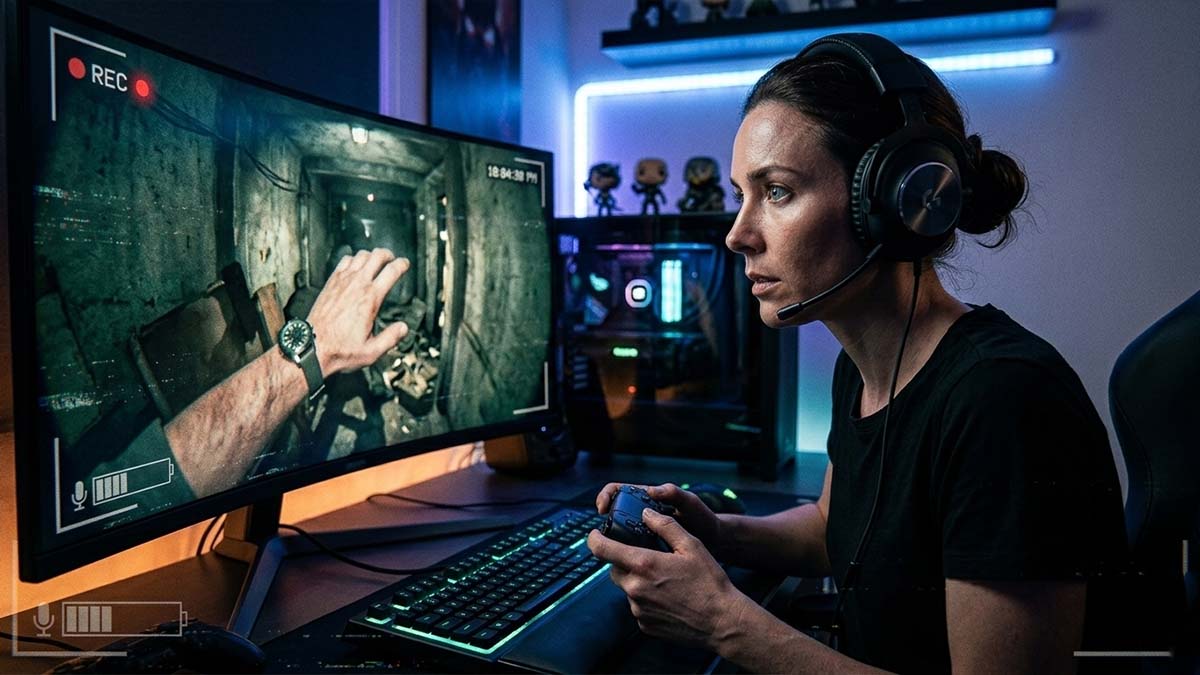
Bodycam Horror Games Look Low Budget. That’s Their Secret Weapon
If you have spent any time on Steam, Twitch, or TikTok recently, you have probably seen it.
Shaky footage.
Heavy breathing.
A distorted fish eye lens.
At first glance it looks less like gameplay and more like leaked police footage. But it is not real. It is part of a rapidly growing trend known as bodycam horror games.
What started as a viral experiment has quickly become one of the most talked about visual trends in indie game development. Across Steam and social media, small development teams are creating hyper immersive horror experiences that look almost indistinguishable from real camera footage.
Steam’s indie charts have also seen a noticeable increase in experimental horror titles using the bodycam aesthetic throughout early 2026, suggesting the trend is gaining real traction beyond viral clips.
But the rise of bodycam horror games is not just about aesthetics. It reflects a deeper shift in game development where modern engines allow tiny indie teams to produce extremely realistic experiences without the massive budgets traditionally required for ultra realistic graphics.
In other words, the bodycam style is not just a gimmick. It is an efficiency breakthrough.
Why Bodycam Horror Games Work
The bodycam horror trend works because it turns technical limitations into creative advantages. By simulating imperfect camera hardware, developers can hide lower budget assets while increasing immersion and tension.
The Technology Behind the Style
Modern tools like Unreal Engine 5 lighting systems allow developers to create convincing environments with minimal resources. Combined with heavy camera effects such as lens distortion and digital noise, the result is a convincing found footage experience.
Why Social Media Amplifies the Trend
Bodycam horror clips are spreading rapidly across Twitch and TikTok, where intense reaction moments and jump scares perform extremely well in short video formats.
The Origins of Bodycam and Found Footage Horror Games
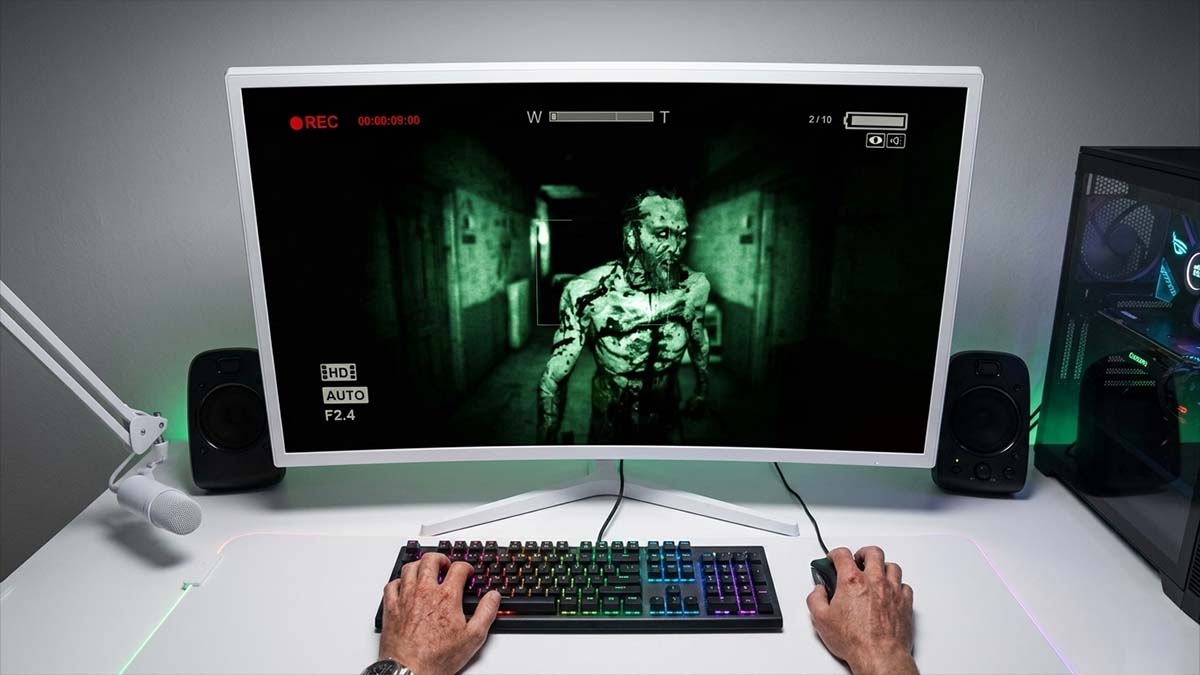
The idea behind bodycam horror did not appear overnight.
The style draws heavily from the found footage horror film genre, where limited visual clarity is used to heighten tension and realism. Films like The Blair Witch Project and Paranormal Activity proved that imperfect camera footage could actually make horror more convincing.
Video games began experimenting with similar ideas years ago. Titles such as Outlast used handheld cameras to create tension, while tactical shooters like Ready or Not and Escape From Tarkov experimented with hyper realistic perspectives.
However, these games still relied on traditional high quality assets and production pipelines.
What changed in the mid 2020s is that modern game engines made the illusion of realism far cheaper to produce.
Why Bodycam Games Look So Realistic
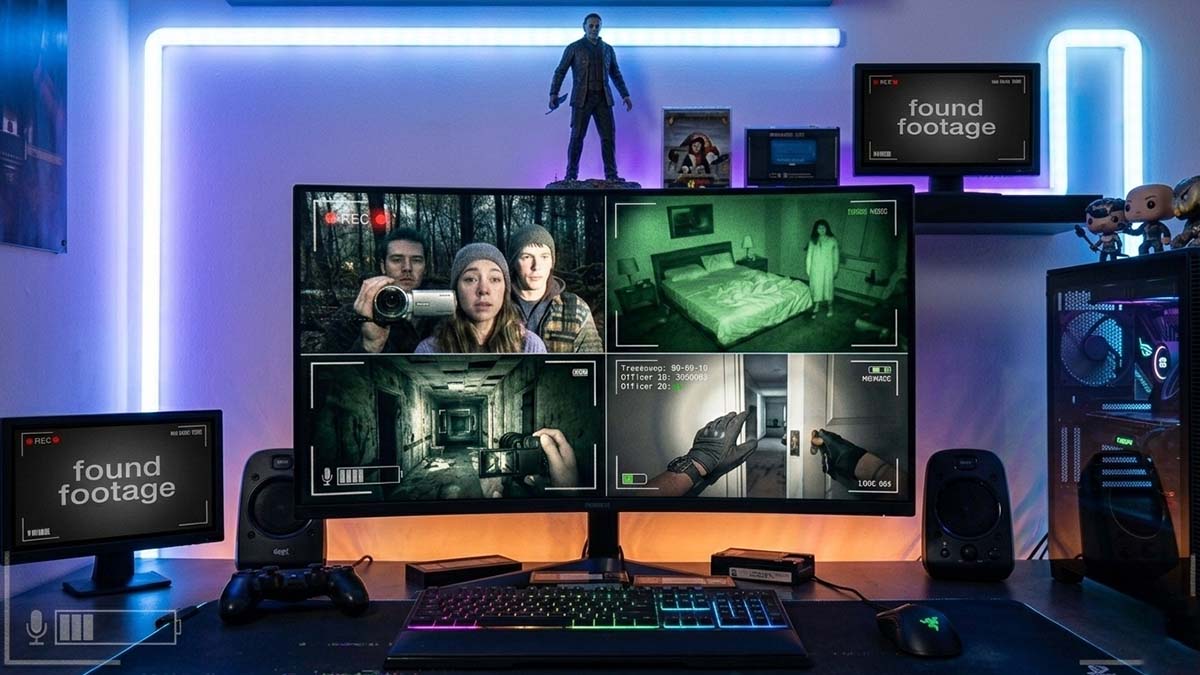
Traditional ultra realistic games require enormous development budgets.
High resolution textures, detailed character models, and carefully crafted lighting systems can take years to produce. AAA studios often spend tens or even hundreds of millions of dollars achieving this level of visual fidelity.
Bodycam horror games flip this logic completely.
Instead of chasing perfect visuals, developers intentionally simulate the limitations of real camera hardware.
Common elements of bodycam horror games include:
- fish eye lens distortion
- digital image noise
- motion blur and camera shake
- heavy shadow based lighting
- minimal on screen interface
- These techniques create an interesting psychological effect.
When the image is slightly distorted or unclear, the human brain fills in the missing details. Shadows feel deeper. Movement feels more unpredictable. Even simple environments can become deeply unsettling.
For developers, this means fewer high resolution assets are required to create a convincing world.
In many cases, lighting and atmosphere become more important than raw polygon counts.
Hardware Demands
Although bodycam horror games often rely on simpler assets, the heavy use of real time lighting, volumetric fog, and advanced post processing can still be demanding on modern hardware.
Effects such as lens distortion, dynamic shadows, and atmospheric lighting systems require constant GPU processing. Combined with modern rendering techniques from engines like Unreal Engine 5, these visual layers can place significant load on graphics cards.
This creates an interesting paradox. The games may look intentionally rough or distorted, yet the technology running behind the scenes can be surprisingly advanced.
The Streamer Effect
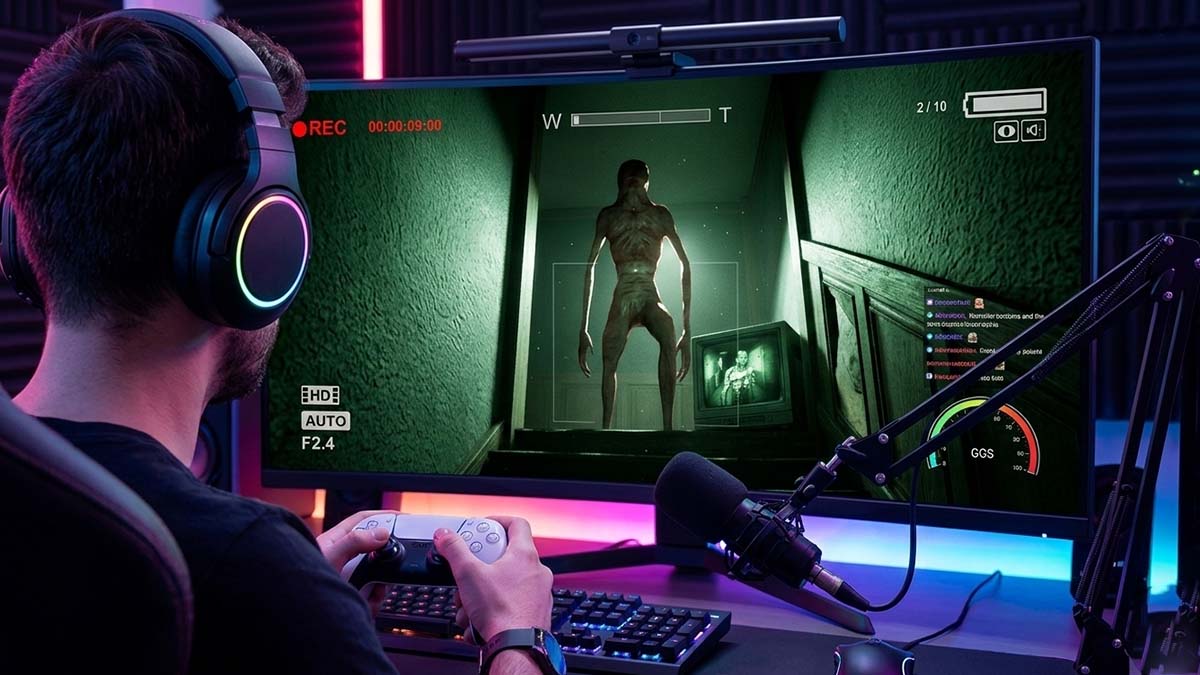
Another reason bodycam horror games are spreading so quickly is their compatibility with modern streaming culture.
Games that generate strong emotional reactions perform extremely well on platforms like Twitch, YouTube, and TikTok. A single intense jump scare or unexpected encounter can produce viral clips that spread across social media.
The bodycam perspective amplifies this effect.
The tight field of view and shaky camera movement make players feel vulnerable, which leads to stronger reactions during tense moments. For viewers, the experience looks almost like watching real footage rather than traditional gameplay.
This makes bodycam horror games perfect for short form video content.
A single thirty second clip can turn an unknown indie project into a viral sensation overnight.
Immersion Beyond Visuals
Some developers are already pushing the concept further by connecting gameplay mechanics to real world player behavior.
The horror title It Reaches experiments with microphone based tension mechanics. Players must remain quiet in real life while exploring dark environments, turning their own breathing or background noise into potential danger.
Mechanics like this reinforce what bodycam horror does best: making the player feel physically present inside the scene rather than simply controlling a character on screen.
The Indie Advantage
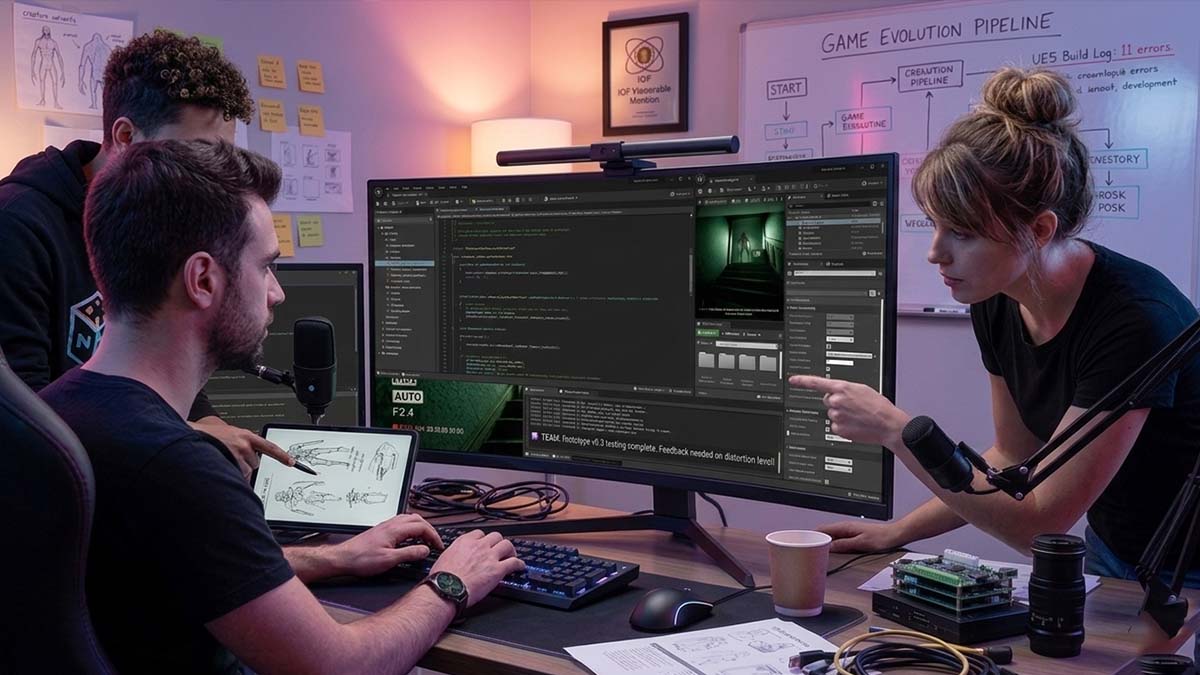
The rise of bodycam horror also highlights a major structural difference between indie developers and large studios.
Small teams are able to experiment quickly.
A developer working alone or with a team of two or three people can build a prototype within weeks and test whether the concept resonates with players. If the idea works, the game can rapidly evolve through community feedback.
Large studios operate very differently.
AAA publishers often follow strict brand guidelines and visual quality standards. Releasing a game that intentionally looks like distorted camera footage could be seen as risky from a marketing perspective.
As a result, the most experimental visual trends often emerge from indie developers rather than major studios.
Bodycam horror is simply the latest example of this pattern.
Your Brain Does the Work
Imagine you’re playing a horror game with a friend holding a webcam in their dorm room. It’s shaky, grainy, and sometimes the lighting is weird but somehow it feels scarier than a perfectly polished AAA horror game. That’s exactly what bodycam games do: they turn technical “imperfections” into immersion hacks, making small studios feel huge and terrifying without millions in assets.
Bodycam Games to Watch
Several projects have helped push the bodycam trend into the spotlight.
1. Unrecord
The upcoming tactical shooter Unrecord helped ignite the bodycam trend when its gameplay trailer went viral in 2023. The footage was so realistic that many viewers initially believed it was real camera footage rather than gameplay.
Although the game has not been released yet, its reveal demonstrated how convincing the bodycam perspective could look using modern engines like Unreal Engine 5.
The trailer alone sparked widespread discussion about the future of hyper realistic game presentation.
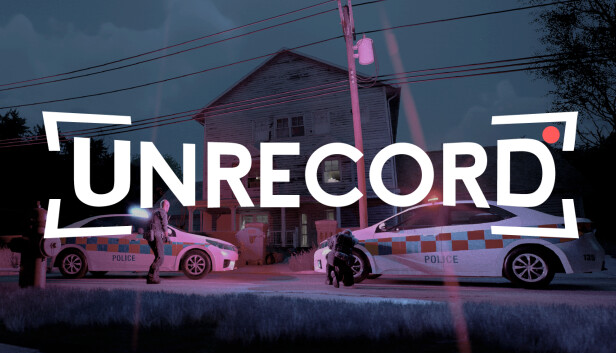
Unrecord
2. Bodycam
The tactical shooter Bodycam is currently one of the most successful implementations of the bodycam perspective in gaming. Developed by a two-person team at Reissad Studio, the game launched in Early Access on June 7, 2024 and quickly gained attention for its hyper-realistic camera presentation and intense close-quarters combat. Built using Unreal Engine 5, the game uses heavy lighting effects, realistic environments, and minimal interface elements to make firefights feel like real body-worn camera footage. Its rapid sales growth after launch demonstrated that the bodycam style is not limited to horror games and can also work effectively in competitive multiplayer shooters.
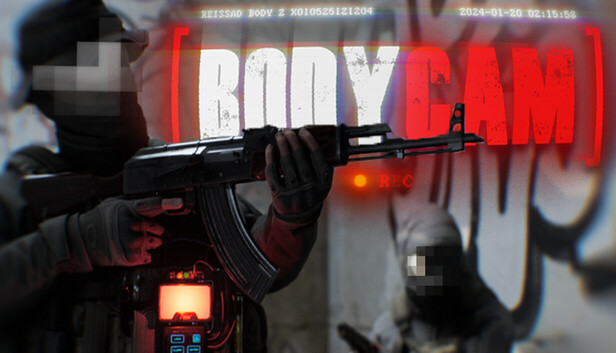
Bodycam
3. Paranormal Tales
The upcoming horror project Paranormal Tales demonstrates how the bodycam perspective can be used to create deeply immersive found-footage storytelling. Developed by Digital Cybercherries and built with Unreal Engine 5, the game presents its horror scenarios through recordings from bodycams, smartphones, and other recovered footage. Each chapter follows the final moments of individuals who mysteriously disappeared, with players experiencing events through distorted lenses, shaky movement, and compressed audio designed to mimic real camera recordings. The project has attracted significant attention online for how convincingly it recreates the atmosphere of found-footage horror films.

Bodycam
Beyond Horror: The Tactical Expansion
The bodycam perspective is already spreading outside horror games.
The multiplayer tactical shooter Bodycam shows how the visual style can work in competitive gameplay. With minimal interface elements and a camera perspective designed to resemble real body worn footage, firefights feel unusually intense and grounded.
Its popularity suggests that the bodycam approach may evolve into a broader visual style rather than remaining limited to horror.
What Comes Next
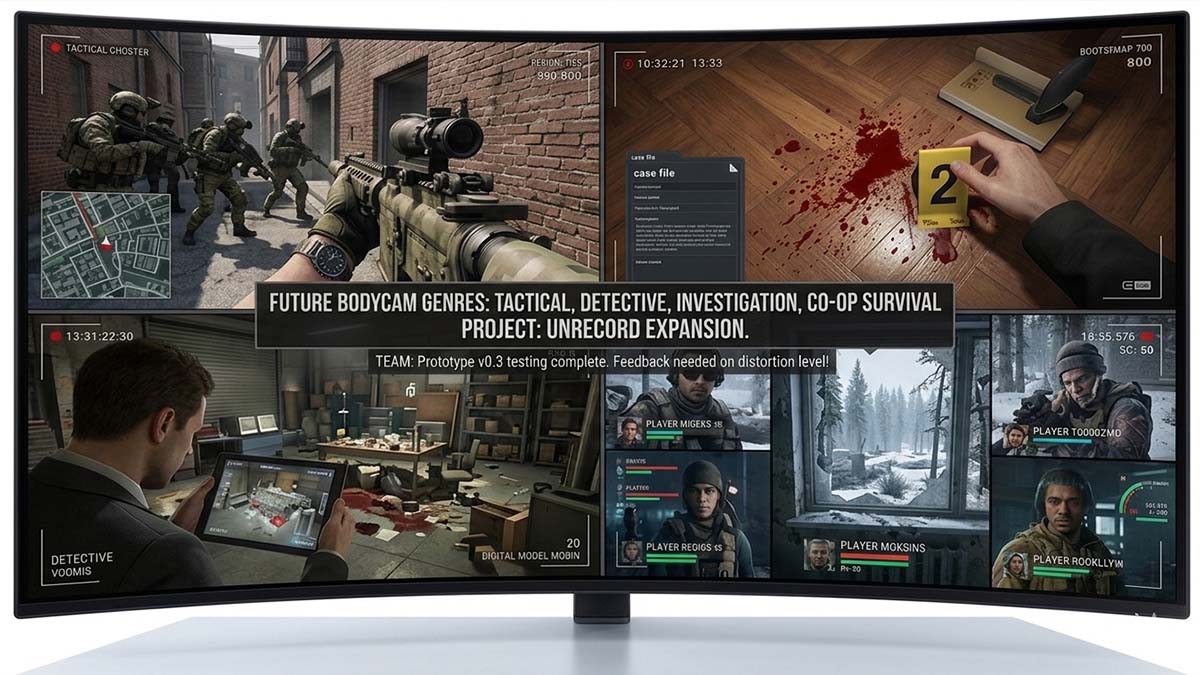
Although bodycam horror games are currently dominating the conversation, the aesthetic is already expanding into other genres.
Developers are experimenting with bodycam perspectives in:
- tactical shooters
- detective simulations
- immersive crime investigations
- cooperative survival games
As technology continues to evolve, the bodycam approach may become a widely adopted visual style rather than a niche horror trend.
The real question may not be whether the trend will survive, but which genre will adopt it next.
The Bodycam Paradox
The biggest misconception about bodycam horror games is that they succeed because they look realistic. In reality, the opposite is true.
The style works because it hides imperfections. Blurry lenses, motion distortion, and heavy shadows allow small teams to create convincing worlds without the enormous asset budgets required for traditional realism.
In other words, bodycam horror is not about perfect graphics. It is about perfect illusion.
❓FAQ: Bodycam Horror Games
A bodycam horror game is a first person horror experience designed to look like footage recorded from a body worn camera. Developers simulate lens distortion, motion blur, and realistic lighting to create a found footage style.
They allow small indie developers to create immersive and realistic experiences without the huge budgets required for traditional ultra realistic graphics.
No. While the style started in horror, it is increasingly appearing in tactical shooters and other immersive game genres.
GameMonkey Verdict
BODYCAM HORROR: BEYOND THE GIMMICK
The bodycam trend represents something larger than a simple visual gimmick.
It demonstrates how creative design choices allow small development teams to compete with much larger studios. By embracing imperfect visuals and turning them into a stylistic strength, indie developers are producing some of the most immersive horror experiences in modern gaming.
Players benefit from atmospheric experiences that feel fresh, intense, and unpredictable.
However, the growing popularity of the style also creates a new challenge. As more developers attempt to copy the formula, the market risks becoming flooded with low effort imitations.
Visual style may attract attention, but strong gameplay mechanics are what keep players engaged.